Roof Repairs Succasunna NJ: Common Mistakes Homeowners Should Avoid
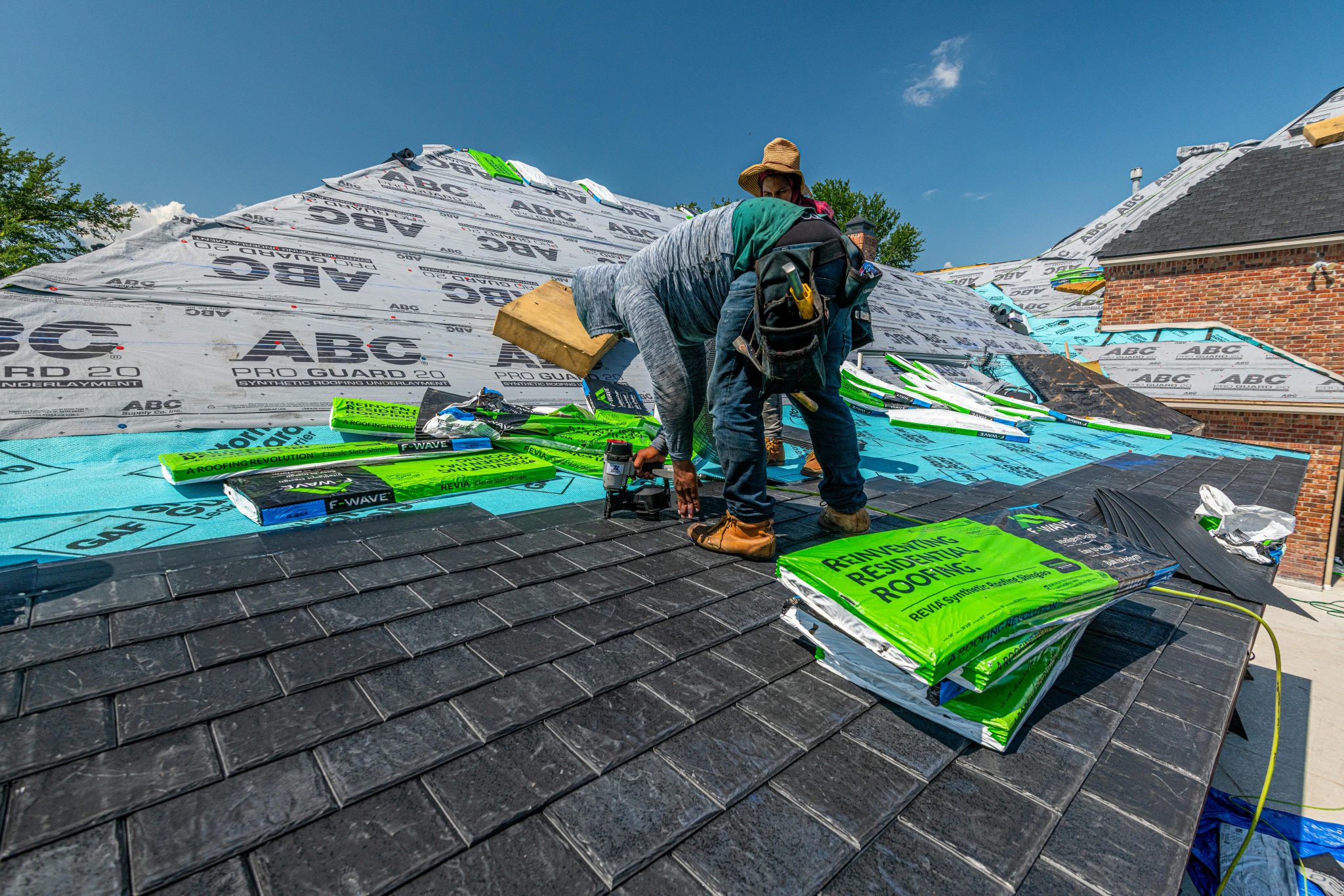

A roof problem rarely arrives at a convenient time. It shows up during a hard rain, after a windy night, or on a freezing morning when water stains suddenly spread across a bedroom ceiling. In Succasunna, where homes deal with snow loads, driving rain, summer humidity, and the wear that comes with four true seasons, small roofing issues can turn serious faster than many homeowners expect.
I have seen the same pattern again and again. A shingle goes missing. A little flashing separates near a chimney. A gutter clogs and water backs up under the edge of the roof. None of these sound dramatic at first. The trouble starts when the homeowner guesses instead of investigates, delays instead of acts, or hires the first person who knocks on the door after a storm. Those choices often cost far more than the repair itself.
When people search for Roof Repairs Succasunna NJ, they are usually looking for fast answers. That is understandable. Still, speed should not replace judgment. Roof Repairs are one of those home maintenance categories where a rushed decision can create hidden damage that stays out of sight for months. By the time the real problem becomes visible, the bill is often larger and the repair more invasive.
Why roof repair mistakes are so expensive
A roof is not just a layer of shingles. It is a system made up of underlayment, decking, flashing, ventilation, fasteners, sealants, drip edge, valleys, and penetrations like vents and chimneys. If one part fails, the damage often spreads sideways before it shows up below.
That is why a leak over a family room does not always mean the problem sits directly above that room. Water can enter near a ridge or around a pipe boot, travel along the decking or rafters, and then drip at the lowest visible point inside. Homeowners who focus only on the stain and not on the path the water took can end up fixing the symptom while leaving the cause untouched.
In Morris County, seasonal freeze-thaw cycles add another layer of risk. Water gets into a small gap, temperatures drop, the moisture expands, and what started as a hairline weakness becomes a real opening. Add snow buildup, ice along the eaves, and spring rain, and that small flaw can become a repeat leak.
Mistake one: waiting too long because the leak seems minor
The most common mistake is also the simplest. Homeowners put off the repair because the leak is slow, intermittent, or limited to one spot. Sometimes they place a bucket in the attic and tell themselves they will handle it later. Sometimes they assume that if the ceiling dries out, the issue has passed.
Roofs do not usually heal on their own. A minor leak often means water has already made it through at least one protective layer. Even if the inside damage looks small, the hidden damage may include damp insulation, stained sheathing, softened wood, rusting nails, or mold growth in enclosed spaces.
I once saw a repair call where the homeowner had noticed a stain near a second-floor bathroom vent months earlier. It only dripped during heavy wind-driven rain, so they ignored it. By the time they called for help, the leak had spread into the insulation and soaked enough roof decking that a much larger section had to be replaced. What could have been a targeted repair became a partial tear-off and interior drywall work.
The lesson is straightforward. If you notice water stains, damp attic insulation, peeling paint near the ceiling, or a musty smell after storms, treat it as active roof trouble until proven otherwise.
Mistake two: assuming missing shingles are the whole problem
A few shingles on the lawn after a storm feel like an obvious diagnosis. Replace the missing pieces and move on. Sometimes that works, but often it does not.
Shingles usually come off for a reason. The cause may be age, brittle material, poor fastening, improper installation, wind uplift from an exposed area, or damaged underlayment underneath. If someone simply nails down replacement shingles without checking the surrounding field, they may miss creased tabs, lifted edges, or granule loss across a wider area.
This matters in Roof Repairs Succasunna NJ because many neighborhoods include homes built during similar periods, with roofs that age in similar weather patterns. A missing shingle may be the visible sign of broader wear. A professional assessment should look at how the nearby shingles are sealing, whether nails are placed correctly, whether flashing at transitions is secure, and whether the decking below still holds fasteners properly.
Homeowners sometimes resist that broader inspection because they are worried a contractor will upsell them into a full replacement. That concern is fair, but avoiding inspection is not the answer. The better approach is to ask specific questions and request photos. A good roofer should be able to show what failed, explain whether the issue is isolated or systemic, and describe the repair in plain language.
Mistake three: using caulk as a permanent fix
Sealant has a role in roofing, but homeowners often expect too much from it. A tube of roofing cement or exterior caulk can be useful in a pinch, especially during an emergency when you need to limit water intrusion until proper work can be scheduled. Trouble starts when that temporary patch becomes the final plan.
Caulk degrades. Sun exposure, moisture, expansion and contraction, and surface movement all work against it. If the underlying issue involves failed flashing, cracked vent boots, nail pops, or deteriorated shingles, smearing sealant over the area does not restore the original water-shedding design. It simply hides the problem for a while.
This is especially common around chimneys and skylights. Homeowners see a gap where flashing meets masonry and assume more sealant is the answer. In reality, the flashing may be loose, improperly lapped, or installed without proper counterflashing. If the assembly is wrong, sealant only delays the inevitable.
A temporary patch is sometimes the responsible move, particularly if weather is severe and a full repair cannot happen immediately. The key word is temporary. Document it, schedule the real repair, and do not let a quick fix become a one-year experiment.
Mistake four: ignoring attic evidence
Many roof issues announce themselves in the attic before they become obvious indoors. Yet homeowners often never look there, or they only take a quick glance with a flashlight after a major storm.
The attic tells you a lot. Darkened wood, damp insulation, rusty nail tips, moldy sheathing, or daylight showing through where it should not are all clues. Poor ventilation can also create conditions that mimic or worsen roof leaks. Excess heat and trapped moisture can shorten shingle life, warp decking, and encourage condensation that homeowners mistake for rain penetration.
During winter, the attic can reveal another costly issue: uneven insulation and ventilation that contribute to ice dam formation. Snow melts on the warmer upper roof, runs down to colder eaves, and refreezes. The backed-up water can then work beneath shingles. Homeowners sometimes blame a mysterious leak, when the root cause is part roofing and part attic performance.
If you are comfortable checking your attic, do it safely and only when conditions are dry and visibility is decent. Step only on framing members, not insulation or drywall, and never assume you can see the whole problem from one angle. If you are not comfortable, have a qualified contractor inspect it. That attic evidence can save a lot of guesswork.
Mistake five: hiring based on price alone
Cheap roof repairs are not always inexpensive. When the workmanship fails, homeowners pay twice, sometimes three times.
Price matters, of course. Budgets are real. But with Roof Repairs, a very low bid can signal missing steps, lower-grade materials, rushed labor, or a repair method that does not actually address the source of the problem. https://eduardotpkt072.image-perth.org/leak-detection-and-roof-repairs-succasunna-nj-specialists-recommend I have seen repairs priced attractively because they skipped replacing damaged flashing, reused compromised shingles, or ignored wet decking beneath the surface.
A better way to compare proposals is to look at scope, not just total cost. Are they replacing the underlayment in the affected area? Are they removing and reinstalling nearby shingles properly so the repair integrates with the existing roof? Are they addressing flashing, sealants, fasteners, and ventilation if those are involved? Are they offering documentation of what they found?
Here are the questions worth asking before approving a repair:
- What exactly caused the problem, and how do you know?
- What materials will be replaced versus reused?
- Are there signs of damaged decking, flashing, or ventilation issues?
- Will the repaired area match the surrounding roof as closely as possible?
- What happens if you uncover additional hidden damage during the work?
Those questions do not make you difficult. They make you informed.
Mistake six: letting storm chasers make the decision for you
After hail, high winds, or heavy rain, certain neighborhoods see a wave of door-to-door solicitors. Some are legitimate contractors working locally after a real weather event. Others are simply chasing opportunity. Homeowners under stress can feel pressure to sign quickly, especially if they are told the damage is urgent or that an insurance claim must be filed immediately.
Urgency can be real, but pressure is a warning sign. Reliable contractors do not need to scare people into a contract on the spot. They inspect, document, explain, and give homeowners room to think clearly.
This matters in a place like Succasunna because local reputation still counts. A contractor with roots in the area has more at stake. They are more likely to understand local weather patterns, common roof styles, municipal expectations, and the practical realities of working on homes built in different decades. A storm chaser may finish the job and disappear before a callback becomes necessary.
If someone appears uninvited, offers a free inspection, and tells you there is major damage before they have spent more than a few minutes looking, slow down. Get a second opinion. Ask for a written scope. Verify licensing and insurance. A roof is too important to hand over because somebody caught you in the driveway at the right moment.
Mistake seven: overlooking flashing because shingles get all the attention
When homeowners think about roofs, they picture shingles. Roofers know that many leaks begin elsewhere.
Flashing protects the vulnerable transitions where roofs meet vertical walls, chimneys, plumbing penetrations, skylights, valleys, and dormers. If flashing is corroded, loose, poorly lapped, or improperly integrated with the surrounding roofing material, water can get in even when the shingles themselves still look decent.
One of the more frustrating service calls involves a homeowner who replaced a few visible shingles on their own but never inspected the step flashing along a sidewall. The leak continued. They assumed the new shingles were defective. The real problem was older flashing hidden under the courses, bent just enough to let water in during wind-driven storms.
Good Roof Repairs rarely focus on one material in isolation. They consider transitions, movement, runoff patterns, and how water behaves under pressure, gravity, and ice conditions.
Mistake eight: trying a DIY repair without understanding the risk
Some homeowners are skilled, careful, and fully capable of handling minor exterior work. Even then, roofing carries a higher risk than many DIY projects. The safety issues are obvious, especially on steep or wet surfaces, but the technical mistakes matter just as much.
Walking on aging shingles can crack them. Lifting tabs in the wrong weather can break seal lines. Incorrect nail placement can create a leak path. Overdriven nails can weaken shingle hold. Poorly matched materials can shorten the life of the surrounding roof. Even something as simple as replacing a vent boot can go wrong if the upper courses are not integrated properly on reinstallation.
The financial trade-off is not always what people expect. Saving a few hundred dollars on labor may seem worthwhile until a hidden leak damages insulation, framing, or ceilings. Then the math changes fast.
There is also the warranty issue. Depending on the roof’s age and installation history, unauthorized or improper repair work may complicate future warranty discussions. That will not matter on every roof, but it is one more factor homeowners should weigh before climbing a ladder.
Mistake nine: failing to think about drainage
Some roof leaks start on the roof surface. Others begin because water is not leaving the roof the way it should.
Clogged gutters, undersized downspouts, poor slope, debris buildup in valleys, and overflowing gutters near fascia edges can all contribute to moisture problems. Water that should move off the roof quickly instead lingers, backs up, or spills where it causes rot and staining.
In wooded areas or neighborhoods with mature trees, this issue comes up often. Leaves and twigs collect in valleys and gutters. Moss may develop in persistently shaded sections. Homeowners spot the leak inside but miss the drainage issue outside.
A roof repair that ignores drainage can become a repeat service call. If the area keeps staying wet, materials break down faster. That does not mean every gutter problem requires a full gutter replacement. Sometimes the fix is as simple as cleaning, adjusting pitch, or improving downspout flow. The important part is not separating roof performance from water management.
Mistake ten: expecting an exact visual match on an older roof
This one is less about leaks and more about expectations, but it causes unnecessary conflict. Homeowners often assume a repair will be invisible. On a relatively new roof with readily available shingles, that may be possible. On an older roof, it often is not.
Shingle colors fade over time. Product lines get discontinued. Granule texture changes. Weathering affects every section differently depending on sun, shade, and slope orientation. A properly executed repair can be watertight and structurally sound without blending perfectly from the street.
That is not an excuse for sloppy workmanship. A skilled contractor should try to achieve the closest practical match and should discuss appearance upfront. But homeowners who understand the limitations of repair matching are less likely to be surprised after the work is complete.
Sometimes that visual mismatch also helps with decision-making. If the roof is already near the end of its service life and the affected area is prominent, a homeowner may decide that repeated repairs no longer make sense compared to planning for replacement. That is not always the answer, but it is a reasonable conversation to have.
What a smart repair process looks like
Most avoidable mistakes happen because homeowners make decisions in a fog of urgency. The best repair outcomes usually come from a simple, disciplined process: identify the symptoms, investigate the full cause, document the condition, and choose a repair method that addresses the system, not just the visible damage.
That process should include exterior inspection, attic review when accessible, close attention to flashing and penetrations, and a clear explanation of whether the issue is isolated or part of broader roof aging. If there has been storm activity, it should also include an honest assessment of whether the damage is repairable without creating patchwork problems.
A thoughtful contractor will often take photos during inspection and during the repair itself. That documentation matters. It helps the homeowner understand the issue, supports insurance discussions if necessary, and creates a record of what was done.
Signs you should call sooner rather than later
There are times when waiting even a week or two can make a repair significantly worse. If you notice any of the following, move quickly:
- Active dripping during rain or after snowmelt
- Sagging ceiling drywall or bubbling paint
- Dark spots or soft wood in the attic
- Shingles missing after wind, especially near valleys or edges
- Water intrusion around chimneys, skylights, or vent pipes
These signs do not always mean catastrophic failure, but they do mean the roof has already lost some ability to protect the house.
The local factor homeowners should not ignore
Roof Repairs Succasunna NJ are not the same as roof repairs in a dry climate or a region without snow. Local weather shapes failure patterns. Winter can expose ventilation and ice dam issues. Spring brings steady rain that tests flashing and drainage. Summer heat accelerates material aging, especially on dark roof surfaces. Fall fills gutters and valleys with debris.
Local housing stock matters too. Some homes have multiple additions tied into the original structure, which creates complex transitions. Others have aging masonry chimneys, older vent penetrations, or previous repairs layered over older materials. Those details are where experienced judgment makes a difference.
Homeowners do not need to become roofing experts to make good decisions, but they do need to recognize that local conditions influence what works, what fails, and what repair methods hold up over time.
Good judgment saves more money than bargain hunting
The cheapest mistake in roofing is the one you never make. Spotting trouble early, asking better questions, resisting pressure, and insisting on a proper diagnosis all protect your budget better than shaving a few dollars off the estimate.
A sound roof repair is not just about stopping water today. It is about preserving the decking, insulation, framing, interior finishes, and air quality of the home. It is about understanding whether the issue is truly isolated or a warning sign of larger wear. It is also about recognizing when a repair is the right move and when it is only postponing a more sensible long-term plan.
Homeowners in Succasunna do not need perfection from every contractor or every repair. They need honesty, competence, and a repair strategy that fits the roof’s actual condition. When that happens, most roofing problems are manageable. When it does not, small issues become expensive stories people wish they had handled differently.
If your roof is showing signs of trouble, treat it with the seriousness it deserves. Not panic, not guesswork, just informed action. That is how you avoid the common mistakes and keep Roof Repairs from turning into far larger home repairs.
Royalty Exteriors
Address: 151 NJ-10 Ste 103A, Succasunna, NJ 07876
Phone number: +19733337234
FAQ About Roof Repairs Succasunna NJ
How much should I pay for roof repairs?
Most homeowners pay an average of $900 to $1,200 for roof repairs, with typical projects ranging from $150 to $3,000+ depending on the severity of the damage.
What are the most common roof repairs?
The most common roof repair is fixing water leaks by replacing damaged, cracked, or missing asphalt shingles and sealing compromised flashing.
Does homeowners insurance pay for roof repairs?
Homeowners insurance pays for roof repairs only if the damage is sudden and accidental, such as from a storm, hail, or a falling tree.