Roof Repairs Succasunna NJ: What Every Property Owner Should Know
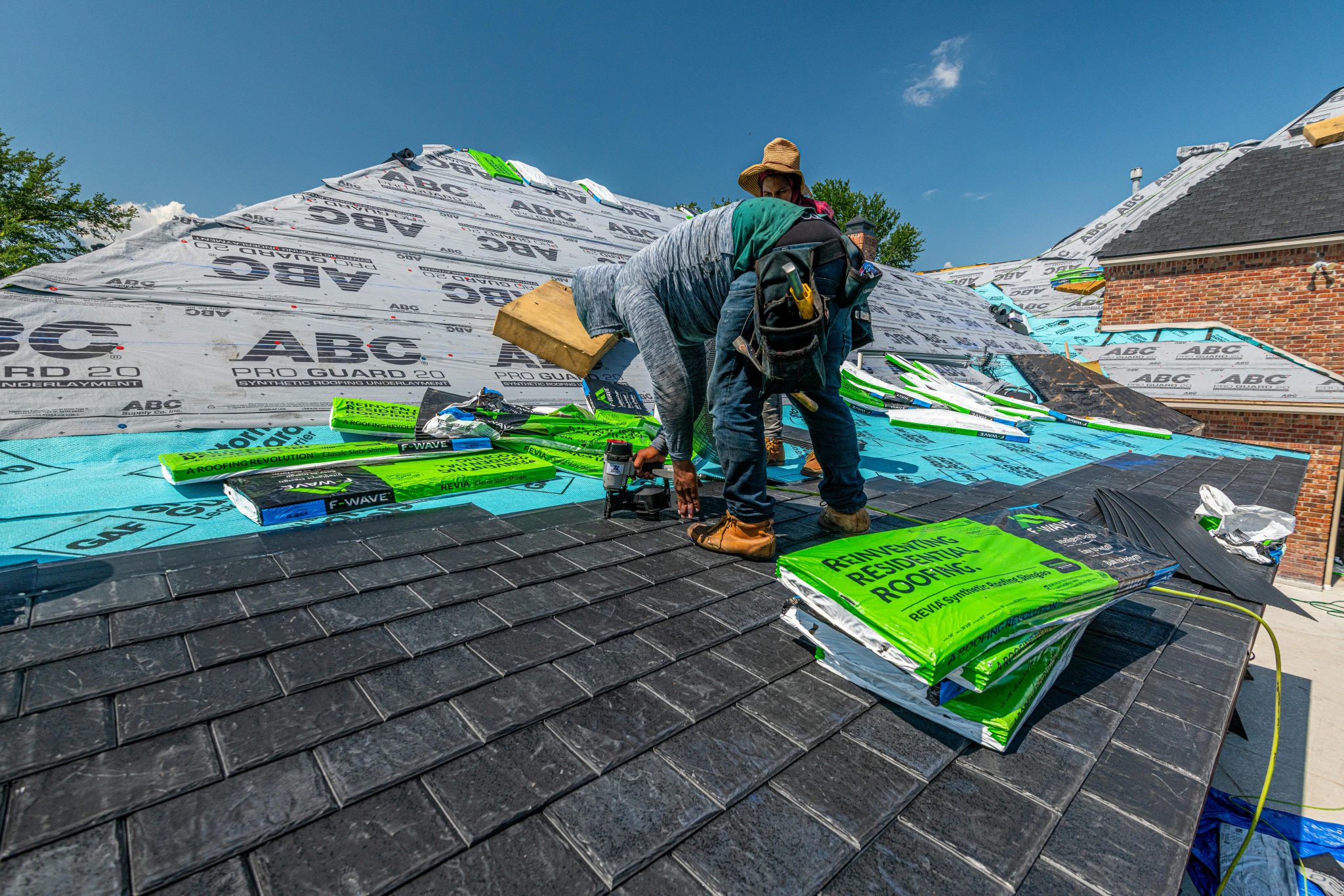
A roof usually gets attention for one of two reasons: it is leaking, or it is old enough that everyone starts looking at it with suspicion. In Succasunna, NJ, both situations are common. The local climate asks a lot from roofing systems. Winter snow loads, spring rain, summer heat, sudden wind events, and the freeze-thaw cycle all work on shingles, flashing, sealants, and roof decking a little at a time. Most property owners do not notice the damage while it is happening. They notice it when a ceiling stain appears, when gutters fill with granules, or when a draft starts creeping into the top floor.
That gap between the first sign of wear and the moment somebody calls for help is where costs rise. A small flashing failure can stay small for a while, then quietly wet insulation, stain drywall, and soften wood around a chimney chase or vent penetration. By the time the leak becomes obvious indoors, the roof issue has often become a carpentry and interior repair issue too. That is why Roof Repairs Succasunna NJ is not just a search phrase people use when something goes wrong. It is really a practical category of maintenance that protects the building envelope, energy performance, and resale value.
What makes roof repairs in Succasunna a little different
Roofs in Morris County deal with real seasonal contrast. Summer heat bakes exposed surfaces and accelerates shingle aging. In winter, snow can sit on a roof long enough to test ventilation and drainage. Ice dams are not guaranteed on every house, but they do show up often enough on older homes, poorly ventilated attics, and rooflines with valleys or uneven heat loss. Add mature trees, which are common in many neighborhoods, and you get another layer of wear from falling limbs, moss-friendly shade, and clogged gutters.
Succasunna also has a housing mix that matters. Some homes have older asphalt shingle roofs nearing the end of their expected service life. Others have additions, dormers, skylights, or attached garages that create transition points. Those transitions are where leaks often begin. A simple gable roof is easier to diagnose and repair than a cut-up roof with multiple valleys, intersecting planes, and wall flashings. In the field, complexity is usually what separates a straightforward repair from a repair that demands a deeper inspection.
Another factor is timing. Homeowners often wait until a storm exposes a problem. Commercial owners sometimes notice roof issues during preventive maintenance or after tenant complaints. Both are understandable, but emergency conditions limit options. When materials are saturated, weather windows are short, and active leaks are moving through the structure, the repair strategy may need to focus first on stabilization, then on the permanent fix once conditions improve.
The difference between a repair and a bigger problem
A good roofing contractor does more than patch the visible leak. The real skill is determining whether the problem is isolated or whether the visible symptom is part of a broader failure pattern.
A true repair candidate usually has a limited point of failure. That might be a section of shingles lifted by wind, cracked pipe boot flashing, exposed nail heads near a ridge cap, deteriorated counterflashing at a chimney, or a puncture from a branch strike. In those cases, a targeted Roof Repairs approach makes sense, especially if the rest of the roof still has years of useful life.
A bigger problem looks different. Widespread granule loss, brittle shingles across multiple slopes, recurring leaks in different areas, sagging decking, chronic ventilation problems, or repeated patch history can point toward replacement planning rather than one more repair. There is no value in paying for the same area two or three times because the underlying system is at the end of its run.
This is where honest judgment matters. The cheapest estimate is not always the most economical decision. A small repair on a roof with ten or more healthy years left can be a smart move. The same repair on a failing roof may only buy a season or two, and not always reliably.
The roof issues property owners in Succasunna tend to see most often
Asphalt shingle damage remains the most common call. Missing tabs after high wind, creased shingles, blistering from age and heat, and exposed fiberglass mat after granule loss are all familiar. Many owners first notice these issues from the ground because they see shingle debris near downspouts or darker patches on the roof plane where sections no longer match.
Flashing failures are a close second. Roofs rarely leak in the middle of a healthy field of shingles. They leak at joints, penetrations, and changes in direction. Chimneys, skylights, vent pipes, wall intersections, valleys, and step flashing along sidewalls are all vulnerable. Sometimes the metal itself is intact, but the surrounding sealant has failed or the shingles tied into it were installed poorly years ago.
Gutter and drainage issues also show up often. Overflow does not always mean the roof is bad, but poor drainage can create roof edge deterioration, fascia rot, and ice dam risk. A roof and gutter system should be looked at together, because they work together. When water cannot leave efficiently, it starts looking for another path.
Then there are attic-related causes that get blamed on the roof. I have seen upper-floor condensation mistaken for a roof leak more times than many people would expect. Bathroom exhaust fans vented improperly into the attic, insufficient insulation, blocked soffit vents, and poor air movement can create moisture patterns that mimic a leak. The distinction matters because replacing shingles will not solve an attic ventilation problem.
Signs you should not ignore
Some roof problems announce themselves loudly. Others stay subtle.
Here are five signs that deserve prompt attention:
- Water stains on ceilings or walls, especially after wind-driven rain
- Shingles that are curled, cracked, missing, or collecting in the yard
- Granules accumulating in gutters or near downspout discharge points
- Musty odors in the attic, top floor, or around insulation
- Visible sagging, soft roof sections, or flashing pulled away from masonry
If a home or building shows one of these signs, it does not automatically mean major damage, but delay is where minor repairs turn into structural and interior costs. Even a stain that appears to dry out between storms should be investigated. Intermittent leaks are often the trickiest because they are usually tied to wind direction, ice, or flashing geometry rather than simple rain volume.
Why leaks are harder to find than most people think
A leak rarely drips straight down from the hole in the roof. Water follows gravity, but it also follows framing, underlayment, nail shanks, and the backside of flashing. It can enter high and show itself several feet away. That is why the stain on the bedroom ceiling may have little to do with the shingles directly above that spot.
On steep-slope residential roofs, wind-driven rain can push water uphill under damaged tabs or through a vulnerable sidewall detail. On lower-slope sections, water can travel laterally farther than many owners expect. Add insulation, vapor barriers, and ceiling cavities, and the path gets even less intuitive.
That is also why quick sealant work from the wrong location can fail. If the technician treats the symptom rather than the entry point, the leak comes back. An effective diagnosis combines exterior inspection, attic inspection where accessible, moisture pattern reading, and some practical skepticism. The first visible clue is not always the true cause.
Timing matters more than people realize
Roof repairs are easier, cleaner, and often less expensive when addressed before a major weather event. Once the underlayment, decking, and insulation are wet, drying and restoration become part of the project. If wood has softened around fasteners or flashing edges, what could have been a few replaced shingles and a flashing correction can turn into a partial deck replacement.
There is also a seasonal reality in New Jersey. Roofing crews can work in cold weather, but materials behave differently when temperatures drop. Seal strips on shingles may not bond immediately. Some repair adhesives and mastics have temperature limitations. Snow and ice on the roof create safety issues and can conceal the full extent of damage. That does not mean repairs have to wait until spring. It means winter repairs often require a staged approach, with emergency mitigation first and final corrective work when conditions allow.
Spring tends to reveal what winter did. Summer exposes UV wear and ventilation shortcomings. Fall is often the best time for owners to address known issues before freezing conditions return. Waiting until the first heavy snow or holiday storm is rarely ideal.
Repair methods should match the actual failure
One weak point in the roofing market is the tendency to talk about repairs as if they are all the same. They are not. A lifted shingle area may need selective replacement and resealing. A chimney leak may require a flashing rebuild with proper step and counterflashing integration. A pipe collar failure usually needs more than caulk smeared around the base. If the rubber boot is split or deteriorated, the correct repair is usually replacement of that flashing component and careful integration with surrounding shingles.
Valley issues deserve particular care. Valleys carry a lot of water. If a valley is damaged, debris-choked, or improperly woven or cut, a patch may not hold long. The same is true of skylights. A skylight leak may come from the unit itself, failed perimeter flashing, or condensation issues related to interior humidity. Each scenario needs a different fix.
For commercial or mixed-use properties with low-slope roofing sections, repair decisions change again. Membrane punctures, seam separation, ponding, and flashing termination failures call for materials and techniques that differ from steep-slope shingle work. That is one reason property owners should make sure the contractor has experience with the actual roof system on the building, not just roofing in general.
When a patch is sensible, and when it is not
There is nothing wrong with a patch if the patch is part of a sound repair strategy. The problem is the word itself. To some people, patch means low quality. To others, it means practical and cost-effective. The truth depends on roof age, damage pattern, and repair execution.
A sensible patch usually has three traits. First, the damaged area is limited. Second, the surrounding materials are still serviceable. Third, the repair detail restores water shedding instead of merely blocking water with sealant. If those conditions are met, an isolated repair can extend useful roof life meaningfully.
Where patches become risky is on brittle older shingles. Removing and replacing localized areas can disturb adjacent shingles that no longer flex well. Color match may also be imperfect, which matters to some homeowners and not at all to others. On a newer roof, matching is easier. On an older weathered roof, the repair may remain visible, even if technically sound.
That trade-off should be discussed openly. Some owners want the cleanest appearance possible. Others care most about stopping the leak and controlling cost. Neither priority is wrong. The point is to align the method with the owner’s real objective.
Storm damage is not always obvious from the yard
After a wind or hail event, people often look up from the driveway and decide the roof seems fine. Sometimes it is. Sometimes the damage is there but subtle. Wind can break the seal strip under shingles without tearing them off immediately. Tabs may crease at the fastener line and remain in place until the next storm. Hail, depending on size and impact angle, can bruise shingles in a way that shortens life even if there is no dramatic puncture.
Tree damage also deserves careful inspection. A branch does not need to spear through the roof to cause trouble. A glancing strike can fracture shingle edges, dent flashing, dislodge ridge caps, or crack a skylight seal. On older roofs, even the foot traffic involved in debris removal can expose weak areas.
For https://messiahqegp609.lucialpiazzale.com/understanding-repair-vs-replacement-in-roof-repairs-succasunna-nj property owners in Succasunna, especially those with mature trees near the structure, post-storm inspection is one of the more practical habits to adopt. It can catch fresh damage before repeated rain drives moisture deeper into the system.
How to evaluate a roofing contractor without getting lost in sales language
Most owners are not expected to know every technical roofing detail, but they can still ask useful questions. A reliable contractor should be able to explain what failed, why it failed, what the repair will involve, and whether the issue is isolated or symptomatic of broader wear. The explanation should make sense in plain English. If the answer is vague, overly theatrical, or focused only on urgency without specifics, that is a red flag.
A good estimate for Roof Repairs Succasunna NJ should identify the repair area, the intended correction, and any known limitations. If matching materials may be difficult, that should be stated. If hidden deck damage is possible but not fully visible until the area is opened, that should be explained up front. Experienced contractors are usually careful with absolutes because roofs have concealed conditions.
One practical detail many owners overlook is photo documentation. Clear before-and-after photos help everyone. They show the condition, support the scope, and create a record for insurance or future maintenance files. On larger homes or commercial properties, that record can be surprisingly valuable later.
Insurance, maintenance, and the gray area between them
Not every roof repair is an insurance claim, and not every insurance claim is worth filing. Sudden storm damage may be covered depending on the policy and circumstances. Gradual wear, deferred maintenance, and age-related deterioration usually are not. The challenge is that real roofs often have a mix of both. A storm may expose weaknesses that were already developing.
Property owners should document timing when possible. If shingles blow off after a known wind event, or a branch strike punctures a slope, photograph it promptly and keep records of any emergency measures. If the issue turns out to be old flashing deterioration, expect that to fall outside typical storm coverage.
This is another reason routine maintenance matters. A building with clear records of inspections, gutter cleaning, prior repairs, and attic ventilation corrections tells a more credible story than one with years of neglect and a sudden claim after water damage becomes severe.
The repair process, from first call to finished work
A straightforward residential repair often starts with a visual exterior inspection, followed by attic review if accessible. The contractor identifies the likely entry point, checks surrounding materials, and determines whether the area can be repaired in place or needs partial tear-back. On the scheduled day, the crew removes damaged materials carefully, addresses any compromised substrate if found, installs the flashing or replacement shingles, seals where appropriate, and verifies water-shedding details.
The owner’s role during this process is not complicated, but a few practical steps help:
- Move vehicles away from the work zone and keep access clear
- Let the contractor know about any active interior leaks or attic concerns
- Ask for photos if the damaged area is not easily visible from the ground
- Confirm whether the repair carries workmanship coverage and for how long
- Keep records of the repair for future maintenance and resale disclosure
For larger or more complex repairs, timing may depend on material availability and weather windows. Some jobs also require temporary weatherproofing before final work. That is normal, especially after widespread storm activity when schedules are compressed.
Older homes need extra care at transition points
Many homes in and around Succasunna have architectural details that look great but create repair challenges. Dormers, chimneys, porch tie-ins, old masonry, and additions completed in different decades often mean the current roof sits on top of layers of past decisions. A leak may be rooted in a transition where the original house and a later addition meet. It may involve old metal hidden beneath newer shingles, or flashing embedded in masonry that has begun to crack or separate.
These houses are repairable, but they reward patience and experience. The roofer who treats every issue like a generic shingle problem can miss the real cause. On older homes, I would rather see a slower, more methodical diagnosis than a fast promise. A careful contractor will often spend more time tracing the path of water and checking adjacent details, because historic leak patterns are rarely simple.
Commercial and multi-unit properties have their own priorities
For landlords, property managers, and owners of small commercial buildings, roof repairs are partly about tenant disruption and liability. A leak above living space or business inventory becomes urgent fast. Flat or low-slope sections over offices, retail spaces, and multi-family common areas often fail in ways that are less visible from the ground than a missing shingle on a house. Water intrusion may show up as stained ceiling tile, wet insulation above a unit, or HVAC curb leaks that appear to be mechanical issues at first glance.
These properties benefit from scheduled roof walks and documented maintenance. A reactive approach can work on a single-family home with an accessible attic and a simple roofline. It is much riskier on multi-unit or mixed-use buildings where small failures can affect several occupants before management notices the full extent.
How roof repairs affect long-term property value
Buyers and inspectors pay attention to roofs because roofs are expensive, visible, and central to the health of the house. A clean repair history is usually better than a pattern of unexplained stains, mismatched emergency fixes, or unresolved attic moisture. A roof does not have to be brand new to support property value. It does need to show that it has been maintained responsibly.
That means well-executed Roof Repairs can be a positive, not a negative. Replacing damaged flashing, correcting a ventilation issue, or repairing a storm-affected slope before it creates interior damage is exactly the kind of stewardship that protects value. What undermines confidence is deferred maintenance, especially when the visible signs suggest the owner waited too long.
For property owners in Succasunna, the practical takeaway is simple. Roof systems age on their own schedule, but damage accelerates on your schedule. The longer a defect sits, the more parts of the building it touches. Prompt diagnosis, honest scope, and repair methods suited to the actual failure usually cost less than optimism and delay. When you treat the roof as part of the building envelope rather than a surface overhead, repair decisions become clearer, and usually smarter.
Royalty Exteriors
Address: 151 NJ-10 Ste 103A, Succasunna, NJ 07876
Phone number: +19733337234
FAQ About Roof Repairs Succasunna NJ
How much should I pay for roof repairs?
Most homeowners pay an average of $900 to $1,200 for roof repairs, with typical projects ranging from $150 to $3,000+ depending on the severity of the damage.
What are the most common roof repairs?
The most common roof repair is fixing water leaks by replacing damaged, cracked, or missing asphalt shingles and sealing compromised flashing.
Does homeowners insurance pay for roof repairs?
Homeowners insurance pays for roof repairs only if the damage is sudden and accidental, such as from a storm, hail, or a falling tree.